
Signs Your Pet May Be Ready for a Peaceful Goodbye
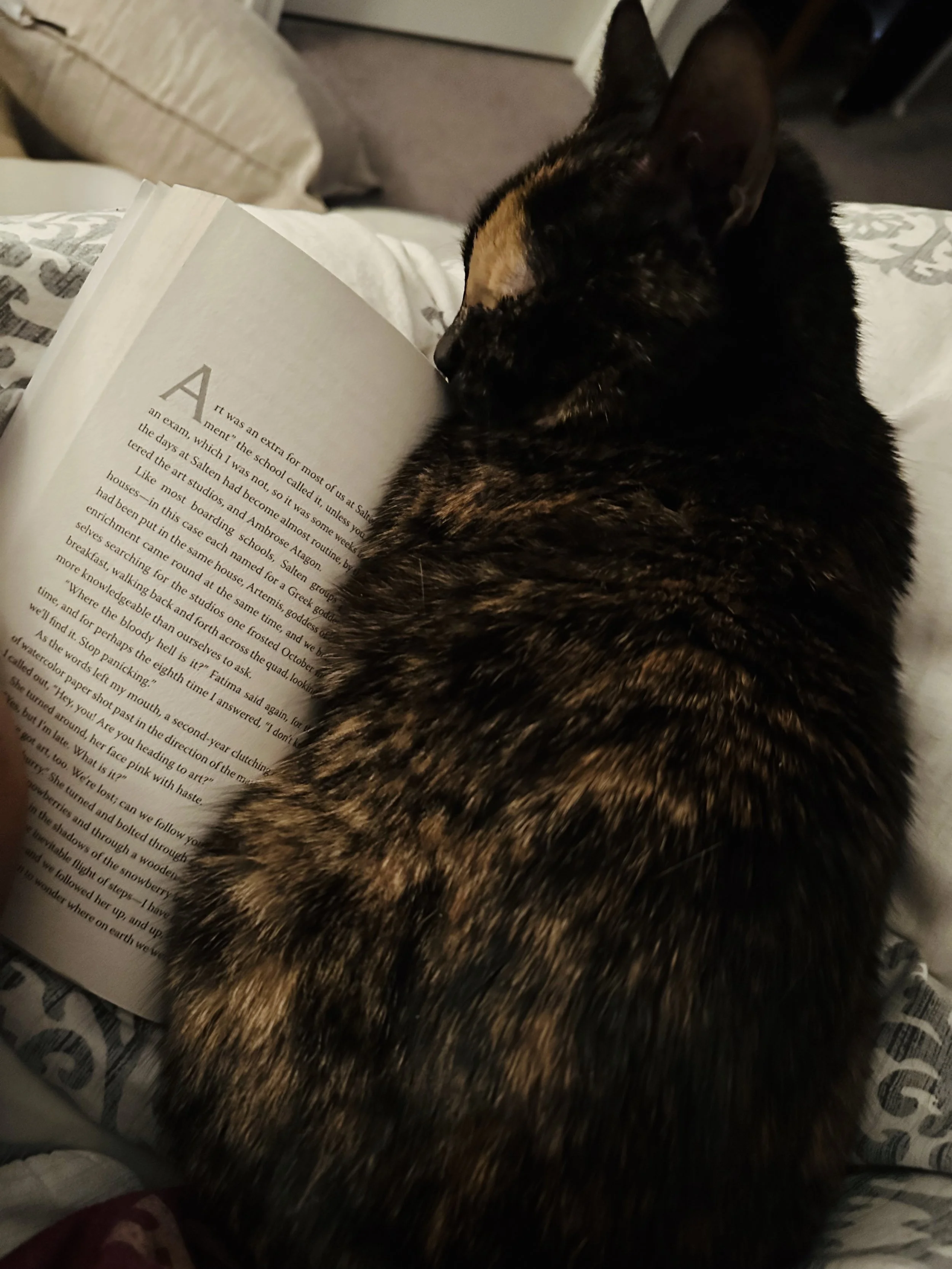
These questions can help provide a guideline to conversations about comfort focused care and quality of life. I have so many families that tell me they are scared they are making this decision “too soon”. Pets communicate their needs quietly. Together we can decide if that time is now. Choosing a peaceful, pain-free passing is one of the kindest acts of love we can give them, especially in the comfort of their home. Home euthanasia can provide a gentler experience compared to a traditional clinic setting. This option is great for our anxious pets AND owners. They often feel more relaxed in their familiar environment.
There is no perfect timeline. What matters most is your pet’s quality of life. We want them to feel comforted and loved.
Understanding Pet Quality of Life: What to Watch For
When families ask about end-of-life care for dogs and cats, one of the most helpful frameworks is simply paying attention to patterns over time. A single difficult day does not tell it all. However, when you begin to notice consistent changes across several areas of your pet’s daily life, those patterns become meaningful. Are the bad days outweighing the good days?
We often refer to this as a quality of life assessment. It is a way of looking at your pet’s physical comfort, emotional well-being, and daily experiences together rather than alone. You do not need a formal checklist to do this. You know your pet better than anyone.
Some of the most common signs that a pet’s quality of life is declining include:
Chronic pain or discomfort that is no longer well-managed with medication
Significant weight loss or refusal to eat, even favorite foods
Inability to stand, walk, or move without distress or assistance
Loss of bladder or bowel control, causing stress or discomfort for your pet
Persistent confusion, restlessness, or disorientation, especially at night
Complete withdrawal from family interaction and familiar activities
These signs do not automatically mean the time has come but they are important signals worth discussing.
When Is It Time to Consider Home Euthanasia?
For many families in Charlotte and the surrounding area, the decision to pursue in-home pet euthanasia comes after weeks or months of watching a beloved dog or cat struggle. The goal is never to rush that decision, but also never to let fear of the decision cause unnecessary suffering. Unfortunately, home euthanasia isn’t always guaranteed.
Home euthanasia allows pets to pass peacefully in a familiar, stress-free environment, surrounded by the people they love. For dogs and cats who experience anxiety at the vet, or who are too frail to travel comfortably, mobile pet euthanasia offers a gentler alternative to a clinical setting. It is just a calm, private, and dignified goodbye at home.
If you are searching for pet end-of-life care near Charlotte, NC, or wondering whether your pet’s quality of life has declined to the point where a peaceful passing may be the kindest choice, you do not have to navigate that alone. Peaceful Tails Mobile Comfort & Care is here to walk alongside you.
If you are struggling with quality-of-life concerns for your pet, we are here to provide compassionate guidance and support for families throughout the Charlotte and surrounding area.
One of the most frequently asked questions I get is, “When do I know it is time to say goodbye?”. It is one of the hardest decisions we can make. Our pets become family members, and we share a special bond with them. This can create an unexpected feeling of guilt, fear, regret, or even uncertainty when considering end of life care.
The truth is, it is not always black and white. There is rarely that single moment that makes the decision clear unless it is in an emergency situation. Instead, most families notice gradual changes with daily habits. This includes your pet’s comfort, mobility, appetite, and even personality.
I encourage my families to ask themselves these questions:
Does our pet have difficulty getting up or walking around?
Does our pet still love their favorite activity (i.e. playing ball, car rides, jumping on your lap)?
Does our pet have trouble eating or drinking?
Does our pet have issues using the bathroom?
Does our pet seem confused or restless?
Does our pet hide or no longer spend time with us without forcing it?
Are there more bad days than good days?

Written by: Dr. Carlen Ledain - Founder of Peaceful Tails
Your Questions, Answered
-
This is the most common question families ask, and the honest answer is that there is rarely one clear moment. What most families notice instead are gradual changes — in how their pet moves, eats, interacts, and feels day to day. The questions in this post are a good starting point. If you are asking the question at all, it is worth having a conversation.
-
A bad day might look like your pet refusing food, being unable to get comfortable, showing signs of confusion, or losing interest in the people and things they love. A good day is when they still seem present — maybe they wag their tail, seek you out, or enjoy a favorite treat. When the bad days start to outnumber the good consistently, that pattern matters more than any single moment.
-
That fear is one of the most common things families share. The truth is, pets communicate their needs quietly — they rarely show us pain the way humans do. Choosing a peaceful, pain-free passing before suffering becomes severe is not acting too soon. It is one of the kindest acts of love you can give them.
-
When a pet that once sought your company begins to isolate — sleeping alone, avoiding touch, or only joining the family when encouraged — it is often a sign they are uncomfortable or unwell. Pets instinctively conceal pain. Withdrawal is one of the quieter signals that something has changed in how they feel.
-
At home, your pet stays in the environment they know — their bed, their favorite spot, your lap. There is no carrier, no car ride, no waiting room. Families often find the experience significantly calmer, and anxious pets especially benefit from staying in their familiar surroundings. It allows everyone to say goodbye on their own terms, without feeling rushed.
-
You do not need to have made a decision to reach out. Peaceful Tails Mobile Comfort & Care offers compassionate guidance for families who are still working through quality-of-life concerns. Together, we can talk through what you are seeing and help you feel confident — whatever you decide. We serve Charlotte, NC and the surrounding areas including Huntersville, Concord, Harrisburg, Belmont, Mooresville, and Gastonia.